
Bed Bug Treatment- Starting at $400
We will come and inspect your home to see if we find any signs of Bedbugs. If it is already confirmed, we will email you our preparation guide on how to prepare for the day of service. We will treat beds, furniture, carpets, walls, baseboards, and other areas for these insects. It is common to see them after a treatment for 3 weeks after day of treatment. Anything after 3- weeks a secondary treatment may be recommended.
About Bedbugs
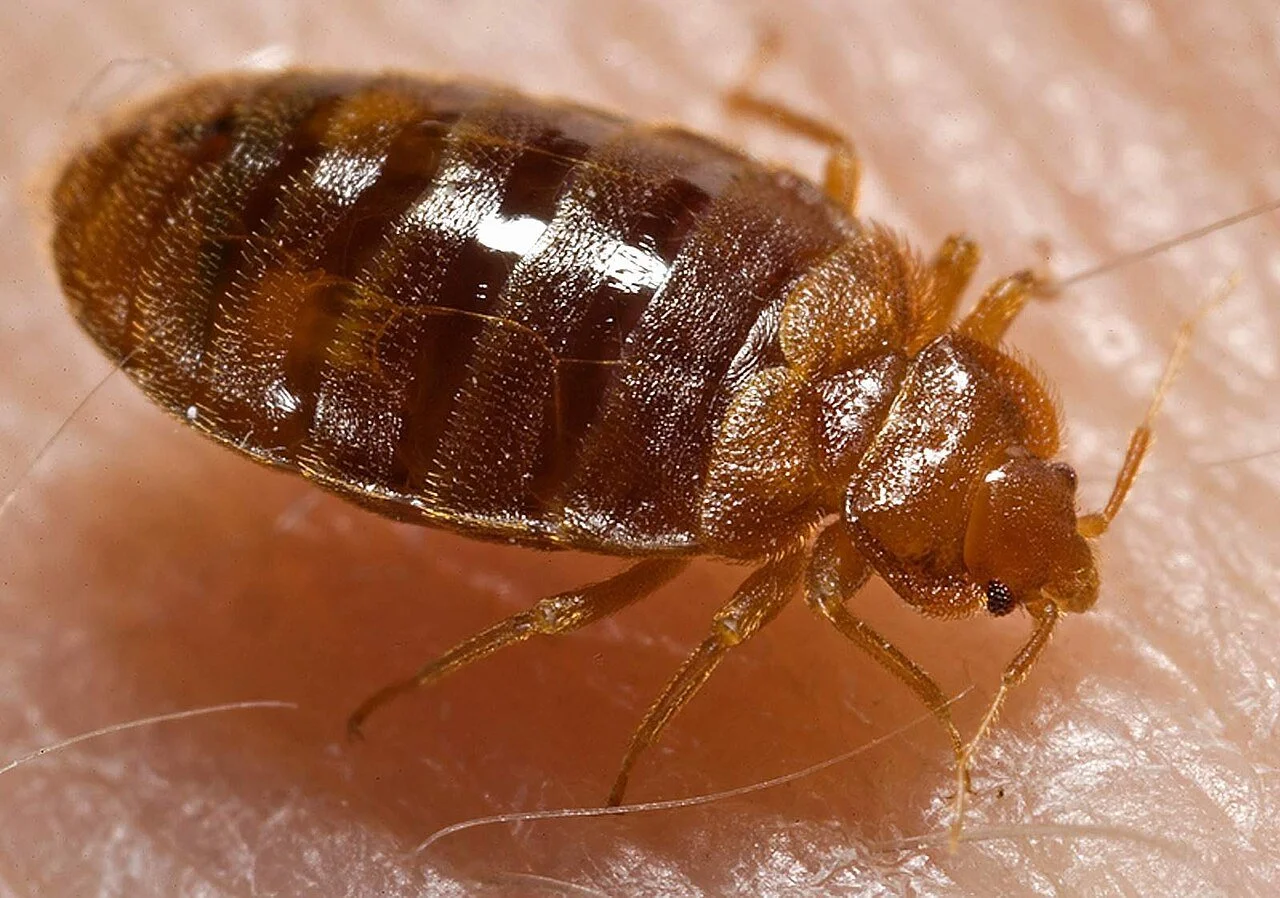
What are Bed Bugs?
Bed bugs are small, reddish-brown, wingless insects that feed on the blood of humans and other warm-blooded animals. Adult bed bugs are approximately the size of an apple seed and are commonly found in mattresses, box springs, bed frames, furniture, and other areas where people sleep or rest.
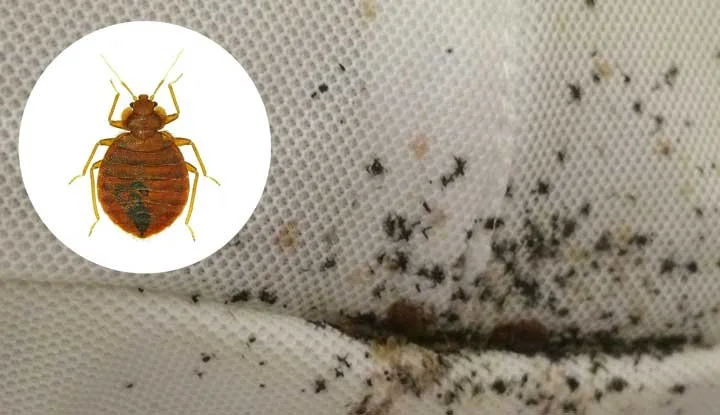
How do Bed Bugs get into your Home?
Unlike many household pests, bed bugs are not attracted to poor sanitation or dirty living conditions. They are primarily introduced into buildings by hitchhiking on personal belongings, furniture, clothing, and luggage.
Travel & Hotels: Bed bugs can be transported home in luggage, backpacks, and other personal belongings after staying in infested hotels or accommodations.
Used Furniture: Secondhand mattresses, couches, recliners, and other upholstered furniture can introduce bed bugs into a property.
Apartments & Multi-Unit Housing: Bed bugs can spread between neighboring units through wall openings, utility penetrations, shared spaces, and the movement of infested belongings.
Visitors & Personal Belongings: Bed bugs can occasionally be introduced through visitors, bags, clothing, and other items transported between locations.
Once introduced, bed bugs seek out areas close to their hosts, making bedrooms and living rooms common infestation locations.
Common Signs of Bed Bugs
Bed bugs are excellent at hiding, and infestations can go unnoticed until populations increase.
Common warning signs include:
Live Bed Bugs: Small, reddish-brown insects found around mattresses, box springs, furniture seams, and bed frames.
Dark Spots: Small black or dark-brown fecal markings on bedding, mattresses, furniture, or nearby surfaces.
Shed Skins: Bed bugs shed their outer skin as they develop, leaving behind pale, translucent exoskeletons.
Eggs & Eggshells: Tiny, whitish eggs approximately 1 millimeter long, often hidden in cracks and protected areas.
Unexplained Bites: Some individuals develop itchy red welts, although reactions vary significantly and bites alone cannot confirm an infestation.
What we use to Treat!
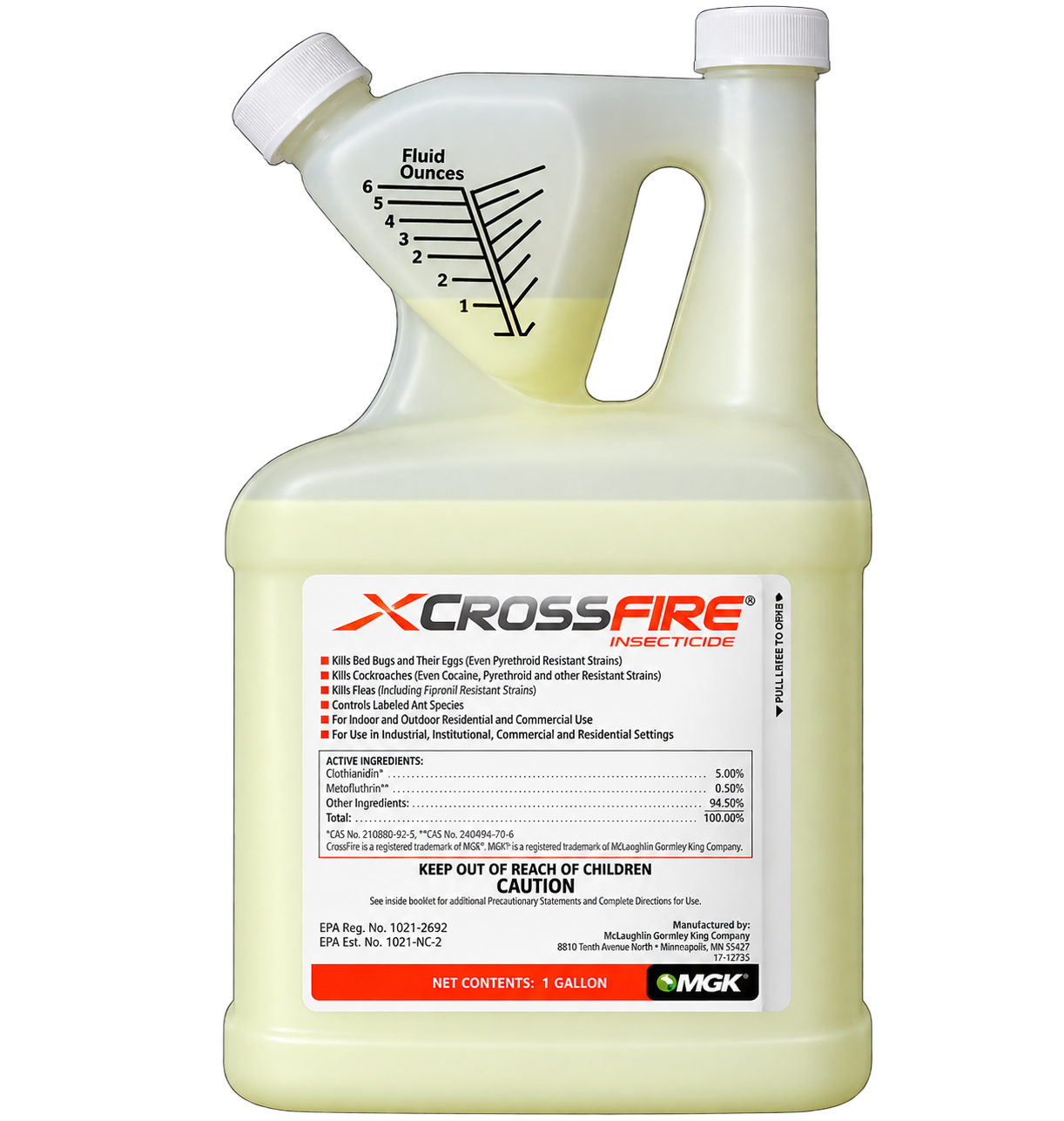
Crossfire Concentrate
CrossFire Bed Bug Concentrate fights against bed bug infestations resulting in fast knockdown and kill with direct spraying. Also providing residual control, CrossFire Bed Bug can be used for all bed bug life stages (adult, nymphs, and eggs). This product is scientifically formulated to kill pyrethroid-resistant bed bug strains and can be directly applied to mattresses.
Active Ingredient: Clothianidin 4%, Piperonyl Butoxide 10%
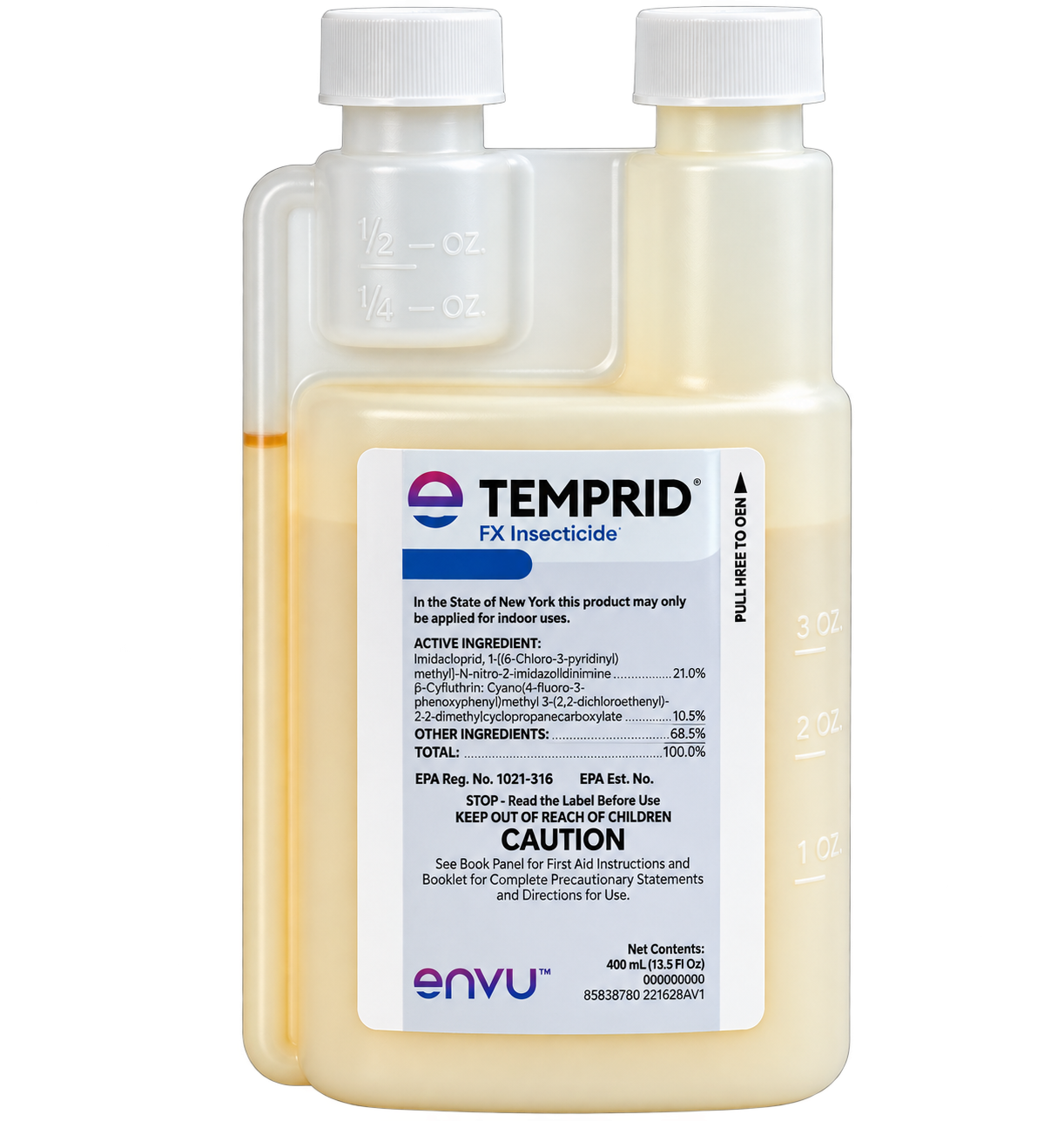
Temprid Fx
Temprid FX combines the powerful, co-milled, dual-active formula you trust for long-lasting control of hard-to-kill pests with a flexible label that delivers even more value. This strength and flexibility gives you the added confidence to take on the toughest jobs, including notoriously hard-to-kill pests, like bed bugs, scorpions and spiders.
Active Ingredient: Imidacloprid + beta-Cyfluthrin
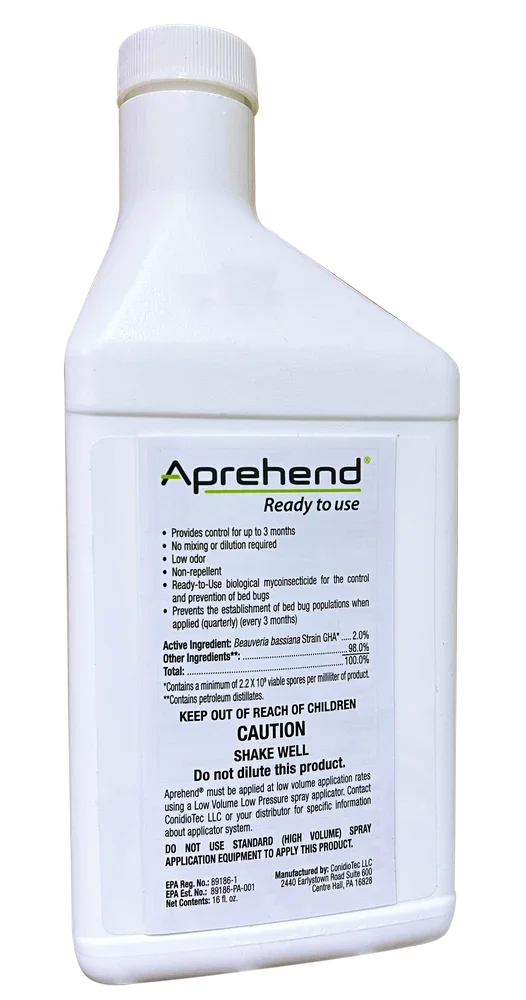
Aprehend RTU
Aprehend is a specialized biological insecticide designed specifically for bed bug control. Unlike traditional chemical insecticides, Aprehend uses a naturally occurring fungal pathogen, Beauveria bassiana, to infect and eliminate bed bugs.
This innovative treatment provides an alternative approach to conventional insecticides and can be particularly valuable when managing difficult or recurring bed bug infestations.
For many of our liquid insecticide treatments, children and pets can safely return to treated areas once the application has completely dried, provided all product-specific label requirements have been met.
Our technicians will inform you of any necessary precautions, including recommended re-entry times and areas to avoid following treatment. Some specialized treatments may require additional precautions.